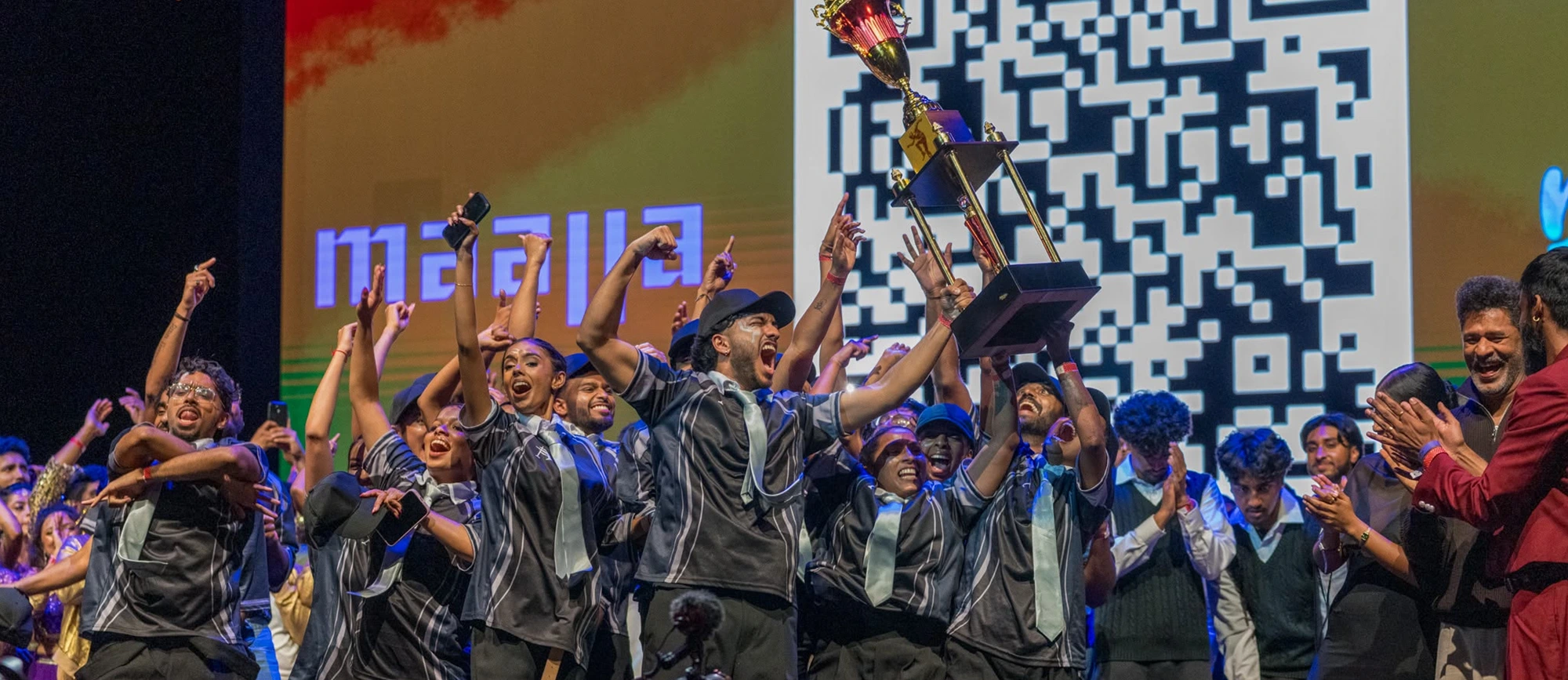

A new dance championship brought emerging South Asian talent together with Indian dance icon Prabhu Deva — creating a platform that connected Toronto's creative community with the wider South Asian entertainment world.
On August 22, 2026, the Great Canadian Casino Resort Toronto became the setting for an evening built around movement, competition and possibility.
Presented by Ideal Dream Entertainment, STEP UP brought eight of Canada's emerging dance crews together for a live championship, with legendary Indian performer Prabhu Deva joining the event as a special presence.
But STEP UP was about more than bringing a celebrated name to Toronto. It was about putting the spotlight on the dancers themselves.
At a time when South Asian culture continues to expand its influence around the world, the event represented a larger question: what happens when the diaspora is given the platforms to create its own entertainment ecosystem rather than simply consume culture produced elsewhere?
For Toronto-based producer, founder and entertainment executive Shaji Nada, that question has been central to his work.
Through Ideal Entertainment and his work as co-founder of Maajja with A.R. Rahman, Nada has focused on developing platforms and opportunities that can help South Asian artists and stories move beyond geographical and cultural boundaries.
STEP UP brought that philosophy to the dance floor.
Eight Crews. One Stage.
The championship featured eight finalist crews: AJ Dance, K2B Movement, Mumbai Troopers, Prima Dance School, ADA, Mudra, ARIMA and Maja Crew.
Each team brought its own choreography, personality and interpretation of dance to the competition, showcasing the creative diversity developing within Canada's South Asian and multicultural dance community.
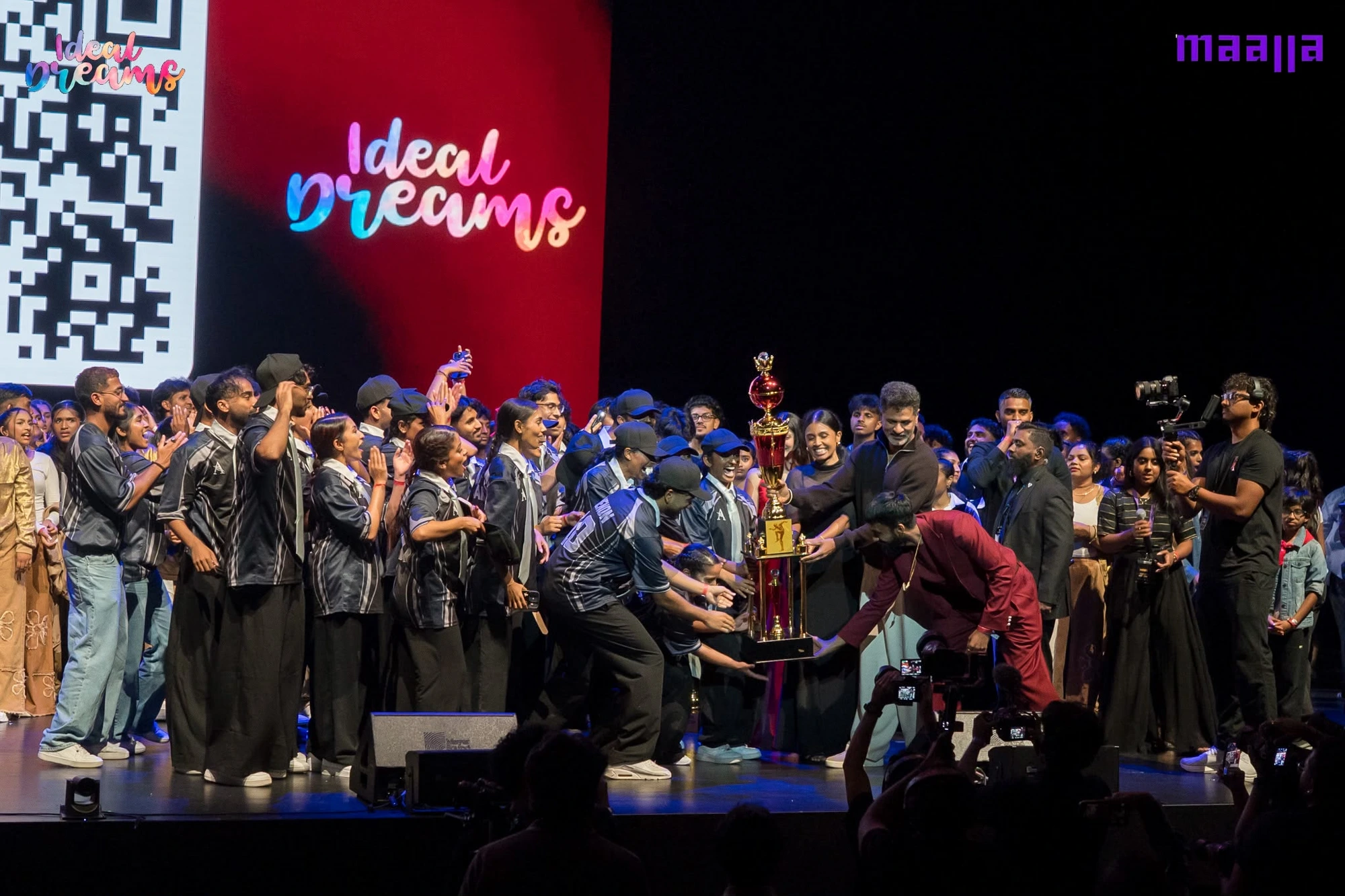
The road to the championship began with online submissions and a qualification process that ultimately produced the Top 8. The live finale then gave the finalists the opportunity to perform in front of an audience — with an Audience Choice Award adding another layer of participation to the competition.
For many of the dancers, however, the defining element was the opportunity to share the stage with one of Indian cinema's most recognizable dance figures.
A Legend Meets the Next Generation
For decades, Prabhu Deva has been one of the defining forces in Indian dance and popular cinema. His distinctive movement vocabulary helped reshape screen choreography, drawing from a wide range of influences and inspiring generations of performers across India and beyond.
Having an artist of that stature present at STEP UP created a powerful connection between generations. The dancers weren't simply watching an icon perform. They were performing within the same larger space — turning the idea of inspiration into something tangible.
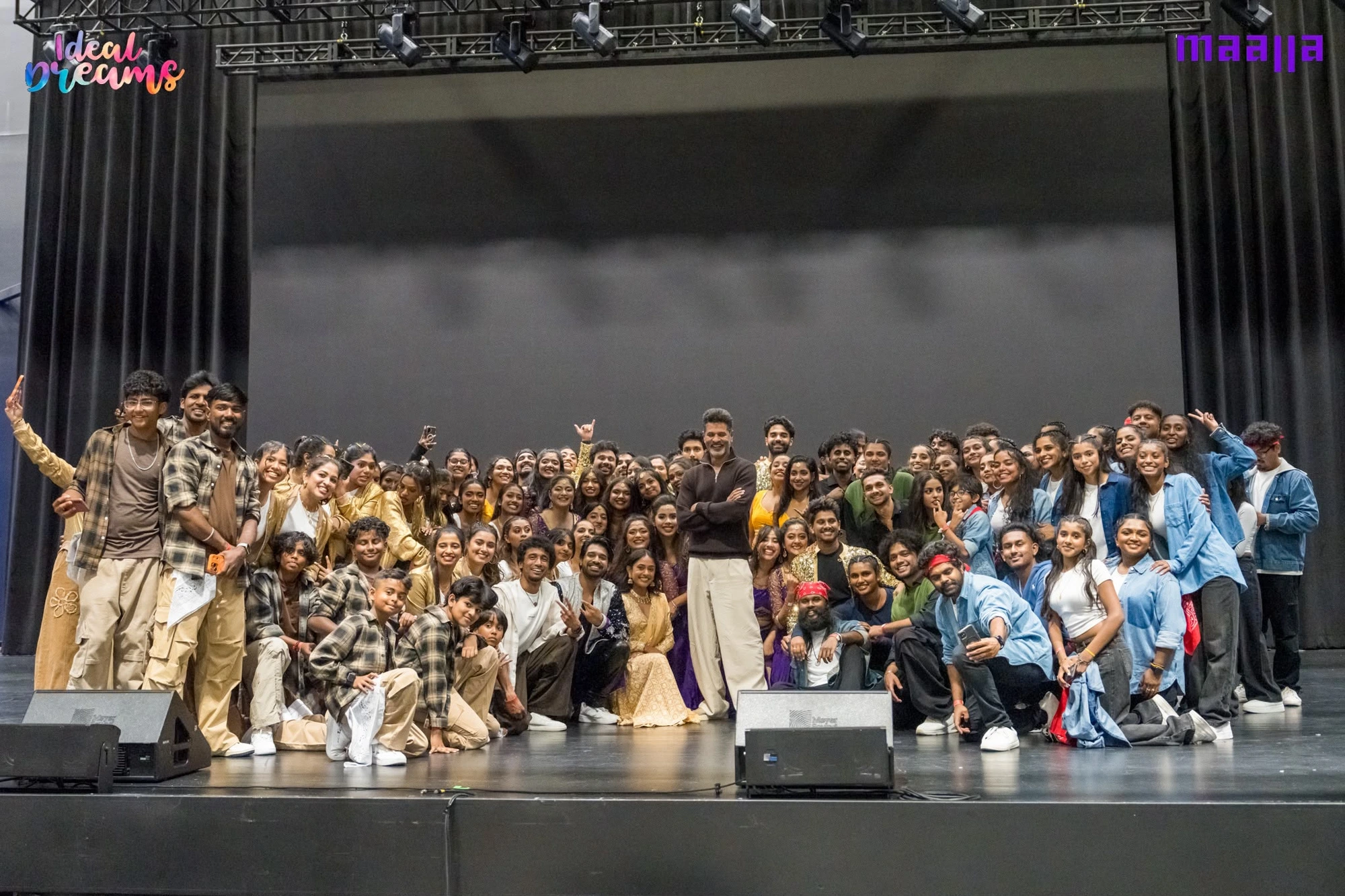
For emerging artists, moments like these can matter because they transform a distant influence into a real-world experience.
Building More Than Events
The larger story behind STEP UP is connected to Shaji Nada's approach to entertainment. Nada's work has repeatedly centred on the idea that talent alone is not enough. Artists also need platforms, producers, audiences, partnerships and infrastructure capable of carrying their work forward.
That philosophy has shaped his work across entertainment and music, including his involvement with Maajja, the independent music platform he co-founded with A.R. Rahman.
The objective is not simply to create content for a South Asian audience. It is to create opportunities for South Asian artists to participate in global culture on their own terms.
STEP UP applies that thinking to dance. The important question is no longer simply whether talented dancers exist. They clearly do. The question is whether enough platforms exist to help those dancers turn talent into opportunity.
Toronto as a Creative Hub
Toronto's South Asian community is one of the city's defining cultural forces. Yet a large community and a sustainable entertainment ecosystem are not automatically the same thing.
An industry requires infrastructure. It requires venues, producers, festivals, audiences, partnerships, media and opportunities that allow artists to move from local recognition toward larger stages.
That is where STEP UP takes on a significance beyond the competition itself. The dancers were not positioned merely as supporting performers around a visiting celebrity. They were the centre of a championship created around their craft.
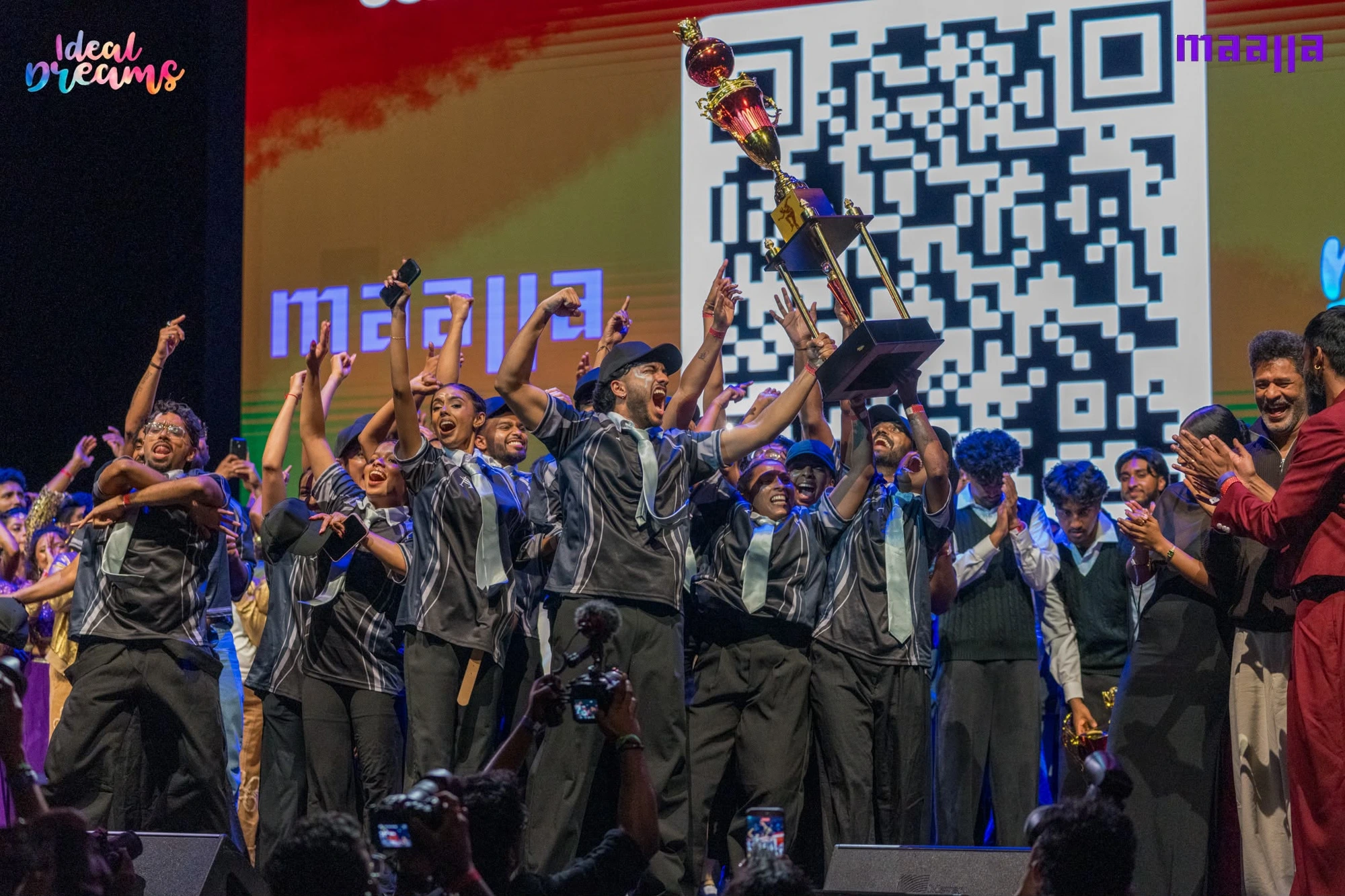
And the opportunities attached to the competition extended beyond Toronto. The winning crew earns the opportunity to perform at YAALL Festival in Chennai, valued at $10,000, along with a featured appearance in an upcoming Maajja music video.
That changes the meaning of the prize. It is not simply recognition. It is a potential pathway. A crew can begin its journey in Toronto and find itself performing in Chennai. Canadian dancers can connect with a South Asian music platform. A local competition can create an international introduction.
That kind of cross-border movement is an important part of building a connected South Asian creative ecosystem.
When Dance Connects to Music
The relationship between STEP UP and Maajja adds another dimension to the event. Music and dance have always influenced one another. Choreography can transform the way an audience experiences a song, while music can give dancers a language through which to create entirely new movements.
By connecting the winning crew with a potential Maajja music-video opportunity, STEP UP creates a direct bridge between Canada's dance community and a broader South Asian music network. The competition therefore becomes more than a single performance. It becomes a potential starting point.
Measuring Success Differently
Events are often measured by attendance, production value or the celebrity names attached to them. But cultural platforms can be measured in other ways.
Who received an opportunity? Who discovered a new audience? Who was seen by someone who might open the next door? Who left the room believing that a career in the arts was possible? And perhaps most importantly — what remains after the event is over?
Those questions matter particularly within diaspora communities. One generation may establish the audience. The next begins developing a creative identity. Eventually, that identity can develop into an industry.
STEP UP is part of that progression. It gives emerging dancers a serious platform, brings audiences together around local talent and creates a connection between an established Indian entertainment legacy and the new generation of artists developing in Canada.
The Stage Is Only the Beginning
On August 22, the lights at the Great Canadian Casino Resort Toronto illuminated eight dance crews competing for a championship. But the larger significance of STEP UP lies beyond that single night.
It represents an idea: that the next generation of South Asian artists in Canada should have more than audiences. They should have stages. They should have pathways. They should have opportunities to collaborate across borders and industries. And they should have the infrastructure to turn local talent into global careers.
That is the larger vision behind the event — and one that aligns closely with Shaji Nada's broader work in South Asian entertainment.
The future of South Asian entertainment in North America will not be defined only by how many established stars can be brought to Canadian stages. It will also be defined by how many new stars can emerge from those stages.
STEP UP was one night in Toronto. The opportunity it created could travel much further.
